Many homeowners and landlords often ask the question: Does a smart meter improve EPC rating? Understanding this relationship is crucial when planning energy efficiency improvements or preparing a property for sale or rent.
This guide explains the connection, or lack thereof, between smart meters and EPC ratings, and explores how smart meters can indirectly support better energy performance.
What Is an EPC Rating and Why Is It Important?
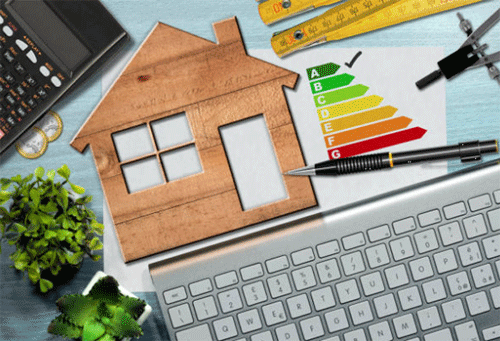
An Energy Performance Certificate (EPC) is a government-mandated report that measures the energy efficiency of a property. It rates homes on a scale from A (most efficient) to G (least efficient). This rating reflects how much energy a building consumes for heating, lighting, and hot water.
EPCs are vital because they:
- Help prospective buyers or tenants understand expected energy costs
- Highlight energy-saving opportunities within a property
- Encourage improvements that reduce carbon emissions and bills
- They are legally required when a property is built, sold, or rented in the UK
An EPC consists of recommendations tailored to your home, helping reduce energy use and save money over time.
What Is a Smart Meter?
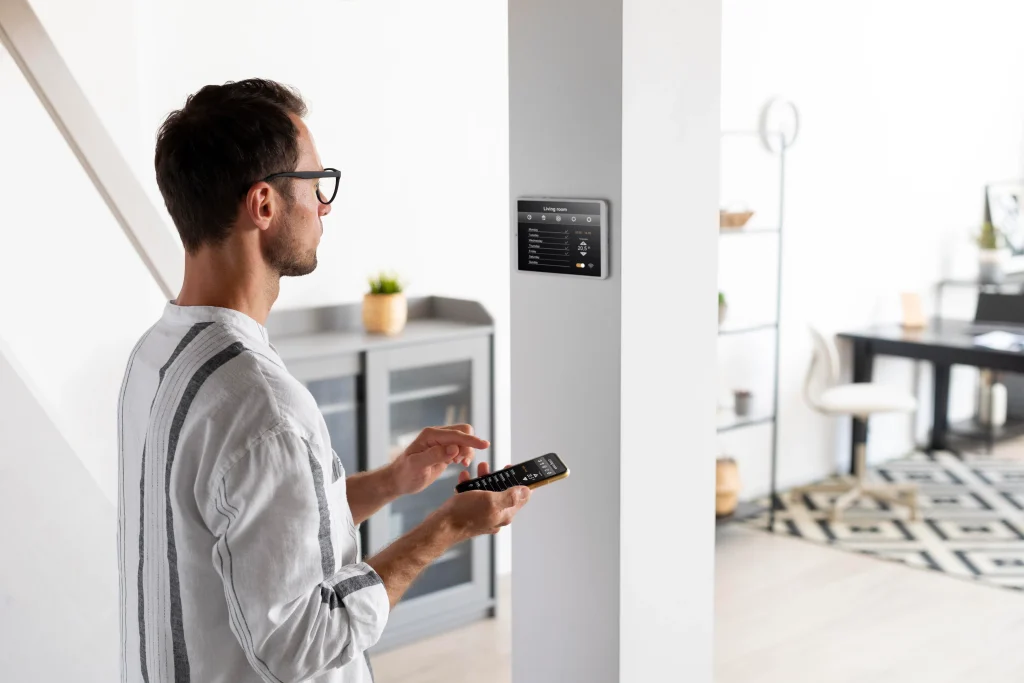
A smart meter is a modern energy meter that records your electricity and gas usage in real time. Unlike traditional meters, smart meters send consumption data automatically to your energy supplier, eliminating the need for manual meter readings.
Smart meters also connect to an in-home display, showing you how much energy you’re using and the approximate cost at any given moment.
Does a Smart Meter Improve EPC Rating? The Direct Answer
The short and direct answer to the question, “Does a smart meter improve EPC rating?” is: no.
EPC ratings are calculated using the Reduced Data Standard Assessment Procedure (RdSAP). This process assesses the physical aspects of a property, such as:
- Building fabric (walls, roof, floors)
- Insulation levels
- Heating system type and efficiency
- Windows and doors
- Ventilation and draught proofing
A smart meter, being a monitoring device rather than a physical improvement, is not considered in the EPC assessment. Therefore, having a smart meter installed does not directly change your EPC score or band.
How a Smart Meter Can Indirectly Influence Your EPC Rating
While smart meters do not directly increase your EPC rating, their real value lies in enabling energy-saving behaviours and smarter decisions.
Real-Time Energy Consumption Insights
One of the biggest advantages of a smart meter is that it shows you exactly how much energy your home is using at any time. This data helps identify wasteful habits, such as leaving appliances on standby or heating rooms unnecessarily.
Increased Awareness and Behavioural Changes
Awareness is often the first step towards change. Seeing your consumption and costs in real time encourages many people to:
- Turn off lights in unused rooms
- Avoid leaving appliances on standby
- Reduce heating temperatures or turn off heating when not at home
Making Informed Energy Decisions
Data from a smart meter allows homeowners to:
- Optimise heating schedules by identifying times when heating can be reduced
- Shift high-energy tasks like laundry or dishwashing to off-peak times (if on a time-of-use tariff)
- Switch to energy tariffs that best match their usage patterns
Potential to Improve EPC Rating Over Time
The behaviour changes driven by smart meter data often lead homeowners to consider and invest in more permanent energy improvements, such as:
- Adding loft or cavity wall insulation
- Installing efficient boilers or heat pumps
- Upgrading windows to double or triple glazing
These physical improvements are what genuinely improve your EPC rating.
Key Factors That Affect Your EPC Rating
To understand what improves your EPC rating, here is a deeper look at the main factors considered during an assessment:
Insulation
- Loft Insulation: Proper insulation in the loft prevents heat loss through the roof, which can be significant.
- Wall Insulation: Both cavity wall insulation and solid wall insulation reduce heat loss through walls.
- Floor Insulation: Though less common, insulating floors can also help retain heat, especially in older homes.
Heating Systems
- Boiler Efficiency: Modern condensing boilers are much more efficient than older models.
- Heating Controls: Programmable thermostats and smart controls help manage heating effectively.
- Renewables: Installing solar panels, heat pumps, or solar thermal systems positively impact your rating.
Windows and Doors
- Double or Triple Glazing: Replacing single-glazed windows with double or triple glazing improves thermal performance.
- Draught Proofing: Sealing gaps around doors and windows prevents heat from escaping.
Ventilation and Air Tightness
Good ventilation is important, but needs to be balanced with airtightness to avoid unnecessary heat loss.
Why Are Smart Meters Not Included in EPC Assessments?
The EPC uses standardised data to provide comparable ratings across different properties. It focuses on the structural and installed system efficiency rather than energy consumption patterns, which can vary greatly depending on user behaviour.
Smart meters reflect how energy is used, not how efficiently the property is at retaining or generating heat. Because of this, the data from smart meters is irrelevant to the EPC calculation.
Can a Smart Meter with a Night Tariff Impact EPC Rating?
There is a nuance worth noting in the case of electric heating systems combined with smart meters offering night tariffs:
- Night tariffs charge lower rates during off-peak hours, usually overnight.
- If your heating is electric, shifting consumption to these cheaper times reduces your annual energy costs.
- This can improve your EPC rating marginally by reducing overall energy use and costs associated with heating.
However, this effect is indirect and depends heavily on the specific tariff and heating type.
Practical Steps to Improve Your EPC Rating Beyond Smart Meter Usage
If you’re aiming to improve your EPC rating meaningfully, consider the following actions:
- Upgrade Insulation: Loft and wall insulation are often the most cost-effective improvements.
- Replace or Service Your Boiler: New boilers and regular servicing improve heating efficiency.
- Install Smart Heating Controls: Programmable thermostats and zoning controls reduce wasted heat.
- Fit Double or Triple Glazing: These reduce heat loss through windows.
- Add Renewable Energy Systems: Solar panels or heat pumps increase energy efficiency and can add to your EPC score.
When Should You Update Your EPC?
If you install a smart meter, you do not need to update your EPC immediately. EPC updates are necessary only when significant physical changes are made to the property that affect energy efficiency, such as:
- Installing new insulation
- Upgrading heating or ventilation systems
- Adding renewable energy sources
- Changing windows or doors
Regular updates ensure your EPC reflects your property’s current condition and value.
Summary: Does a Smart Meter Improve EPC Rating?
To conclude:
- A smart meter does not directly increase your EPC rating.
- It offers valuable real-time energy data that encourages energy-saving habits.
- These habits often lead to investments in physical improvements that do raise your EPC.
- For real EPC improvement, focus on insulation, heating, glazing, and renewables.
Smart meters are a powerful tool for managing energy use, but they are only one part of a wider strategy to improve your home’s energy performance.
Conclusion
Understanding the role of smart meters concerning EPC ratings empowers you to take practical steps towards a more energy-efficient home. While installing a smart meter offers insight and control, true improvements come from upgrading your property’s fabric and systems.
When you’re ready to get an accurate EPC assessment or professional advice on energy-saving improvements, EPC Near Me provides expert local services designed to guide you through the process with clarity and confidence.
Taking action now can reduce your energy bills, enhance comfort, and increase your property’s market appeal, all while contributing to a greener future.
References:
https://www.gov.uk/selling-a-home/energy-performance-certificates
https://www.gov.uk/guidance/smart-meters-how-they-work
https://www.gov.uk/guidance/standard-assessment-procedure
To see what is already on record for a property, check an EPC at your address using its postcode.