
EPC rating E: is it bad, and how do I improve it?
What an E rating means for your home or rental property, why it matters for landlords, and the most cost-effective ways to move up the scale.
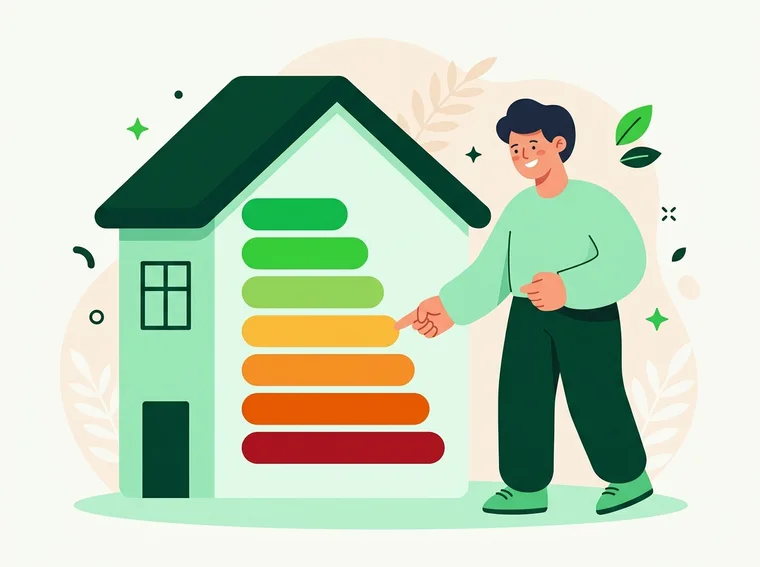
EPC Rating E – Is it Bad and How to Improve It
An Energy Performance Certificate (EPC) is a crucial tool that assesses a property’s energy efficiency and provides insight into its energy usage and potential improvements. The EPC rating ranges from A (most efficient) to G (least efficient). An EPC rating of E suggests that the property has below-average energy efficiency, which can lead to higher energy bills, a larger carbon footprint, and reduced comfort. Understanding what an EPC rating of E means and how to improve it is vital for homeowners, landlords, and tenants alike.
What is an EPC Energy Rating E?
An EPC energy rating of E indicates that a property is performing poorly in terms of energy efficiency. This rating signifies that the property consumes more energy than higher-rated homes, resulting in higher energy costs and a greater environmental impact. Properties with an E rating often lack adequate insulation, efficient heating systems, or energy-saving features, contributing to increased energy waste and emissions.
Is an EPC Energy Rating E Bad?
Yes, an EPC rating of E is generally considered suboptimal for several reasons:
- Higher Energy Costs: Properties with an E rating often have higher utility bills due to inefficient heating, insulation, or energy usage.
- Lower Property Value: Homes with lower EPC ratings may be less attractive to potential buyers or renters, affecting the property’s market value.
- Legal Implications: In some areas, such as the UK, regulations like the Minimum Energy Efficiency Standards (MEES) require rental properties to meet a minimum EPC rating of E. Failure to comply may result in penalties, and there are ongoing discussions to raise this minimum threshold in the future.
- Environmental Impact: Properties with lower ratings contribute more to carbon emissions, which is increasingly seen as a social and environmental responsibility issue.
How to Improve an EPC Energy Rating from E to D or Higher
Improving an EPC rating can make a property more energy-efficient, comfortable, and cost-effective. Here are some effective steps to upgrade from an E to a D rating or higher:
- Improve Insulation: Adding or upgrading insulation in the loft, walls, and floors can significantly reduce heat loss and improve energy efficiency.
- Upgrade Windows and Doors: Installing double or triple glazing can prevent heat from escaping, reducing energy consumption.
- Install Energy-Efficient Heating Systems: Consider replacing old boilers with new, energy-efficient models or installing alternative heating solutions like heat pumps.
- Implement Renewable Energy Sources: Installing solar panels or other renewable energy technologies can decrease reliance on non-renewable energy and lower energy bills.
- Enhance Lighting Efficiency: Switch to energy-efficient LED lighting to reduce electricity usage.
- Reduce Air Leaks: Seal gaps and cracks around doors, windows, and walls to prevent drafts and maintain a more stable internal temperature.
How to Improve EPC Rating from E to C
If you aim to elevate your property’s energy efficiency rating from E to C, a more targeted and comprehensive approach is needed. Here’s how to make this leap:
- Conduct a Detailed Energy Audit: Start with a professional energy audit to identify all areas of energy inefficiency, including hidden leaks or outdated appliances.
- Upgrade Heating Systems to High-Efficiency Models: Consider installing a high-efficiency boiler, a condensing boiler, or renewable heating systems like air-source or ground-source heat pumps.
- Install High-Performance Insulation: Use advanced insulation materials for the walls, roof, and floors to further reduce heat loss. Cavity wall insulation and internal or external solid wall insulation are particularly effective.
- Incorporate Smart Technology: Use smart thermostats and heating controls to optimise energy use. These devices learn your patterns and adjust heating settings automatically, reducing waste.
- Replace Old Appliances with Energy-Efficient Models: Switch to A-rated or higher appliances, such as refrigerators, washing machines, and dishwashers, which consume less energy.
- Install Solar Panels or Other Renewable Energy Sources: Generate your own clean energy with solar panels, which can also feed surplus energy back to the grid, potentially earning money through feed-in tariffs.
- Optimise Ventilation Systems: Improve the ventilation system to balance airflow and minimize heat loss without compromising indoor air quality. Consider installing mechanical ventilation with a heat recovery (MVHR) system.
Other Factors to Consider
- Cost vs. Benefit: Improving your EPC rating requires an investment, but the long-term savings on energy bills and the potential increase in property value often outweigh these costs.
- Financial Incentives and Grants: Check for government grants, incentives, or low-interest loans that may be available to help fund energy efficiency improvements.
- Environmental Impact: Reducing your property’s energy consumption lowers its carbon footprint, contributing to broader environmental sustainability efforts.
Benefits of Improving Your EPC Rating
Improving your EPC rating offers numerous advantages:
- Lower Energy Bills: A more energy-efficient home means lower heating and electricity costs.
- Increased Property Value: A better EPC rating can make your property more appealing to buyers and renters.
- Enhanced Comfort: Improved insulation and heating systems create a more comfortable living environment.
- Compliance with Regulations: Staying ahead of regulatory changes can prevent future compliance issues.
- Reduced Carbon Emissions: Contributing to a greener future by reducing your carbon footprint.
An EPC rating of E indicates that a property is not performing well in terms of energy efficiency. By taking targeted steps to improve the rating, you can benefit from lower energy costs, higher property value, and a reduced environmental impact. Start today by assessing your current rating and considering the improvements that could make your property more efficient and sustainable.
You can look up an EPC by postcode for any property in England and Wales on the official register.
Need an EPC?
Find your local accredited assessor, see their price and contact them directly — no middlemen, no commission.
Find your local assessor