When preparing to sell or rent out a property in the UK, understanding the timeline for obtaining an Energy Performance Certificate (EPC) is essential. Knowing how long an EPC takes helps you schedule viewings, meet legal requirements, and avoid delays in your property transaction.
This guide explains the typical duration of EPC assessments, factors affecting timing, and what happens from survey to certificate delivery.
What Is an EPC and Why Is It Required for Property Transactions?
An Energy Performance Certificate provides an official rating of a building’s energy efficiency, from A (most efficient) to G (least efficient). EPCs are mandatory whenever a property is built, sold, or rented in England, Wales, and Northern Ireland. The certificate informs prospective buyers or tenants about expected energy costs and environmental impact, encouraging better energy use.
The European Union’s Energy Performance of Buildings Directive introduced the need for EPCs, which is now embedded in UK law. The directive aims to increase transparency in the housing market and promote energy-saving improvements.
Without a valid EPC, properties cannot legally be marketed for sale or rent, making the timing of obtaining this certificate crucial.
How Long Does an EPC Take: Typical Assessment Duration
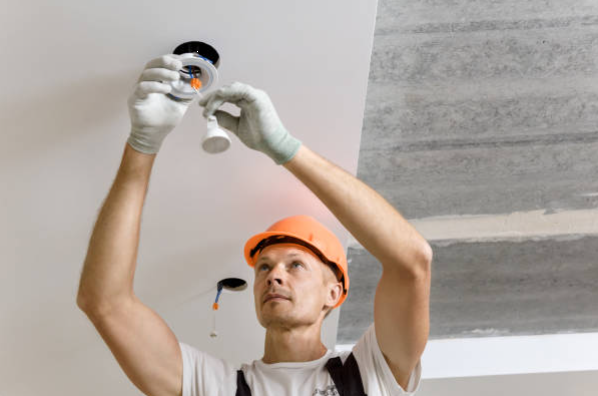
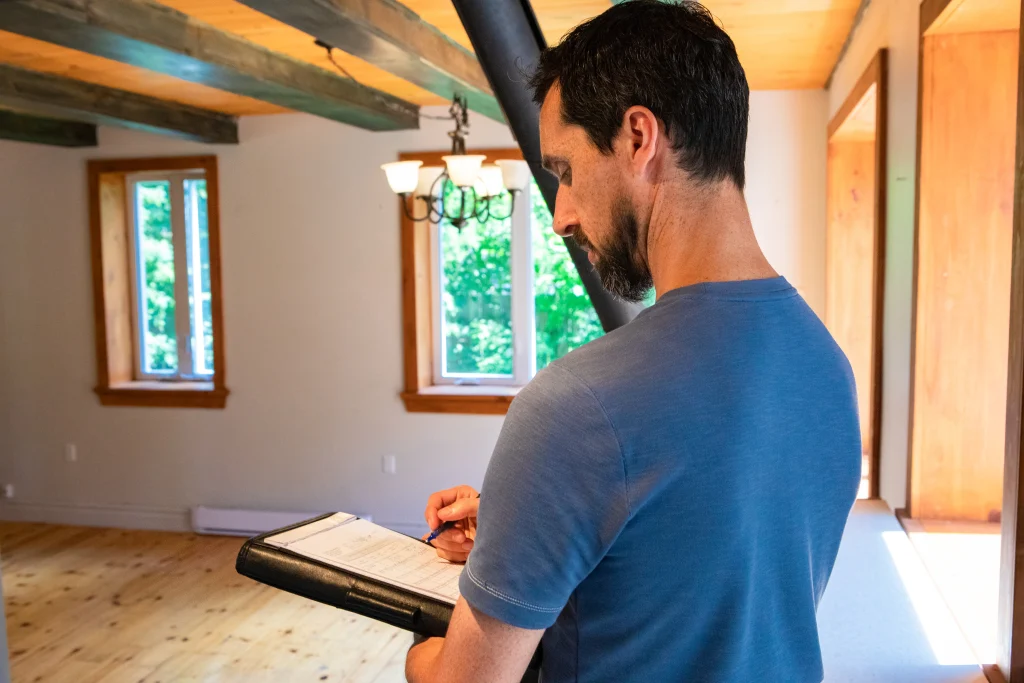
For most residential properties, an EPC assessment usually takes between 30 minutes and one hour, though the exact time depends on property size and complexity. The energy assessor carries out a visual inspection covering:
- Measuring internal dimensions of rooms and communal areas
- Inspecting heating systems, insulation, windows, and doors
- Taking photographs to document the property’s features and confirm inspection points
- Recording information on the type and efficiency of boilers or renewable technologies, such as solar panels
The assessor inputs this data into approved software that calculates the property’s energy rating based on nationally recognised criteria.
In more straightforward properties such as flats or small houses, the visit tends to be at the shorter end of this range. Larger detached homes with multiple floors, lofts, and complicated heating systems require more detailed attention and naturally take longer.
How Long Does an EPC Take from Survey to Certificate Delivery?
From the moment the assessor steps into your property to the time you receive your official EPC document, the process usually spans 2 to 5 working days. This timeframe covers:
- Survey duration: 30 minutes to 2 hours, depending on the property size
- Data entry and report preparation: Typically 1 to 2 days, as the assessor reviews notes and completes the official EPC paperwork
- Certificate registration and delivery: Usually within 1 to 2 days after submission, when the document is uploaded to the government’s EPC register and sent to the client digitally
The government requires EPCs to be lodged on the official register, ensuring they are publicly accessible and verifiable.
Occasionally, external factors such as assessor workload, holiday periods, or requests for more detailed information can slightly extend this timeline. However, most assessments are processed promptly.
What Happens During an EPC Survey
The physical survey forms the backbone of the EPC process. To provide an accurate assessment, the energy assessor must:
- Measure the dimensions of every room, including communal hallways for flats
- Inspect the condition and materials of external walls, roof, windows, and floors to estimate insulation levels
- Examine the heating system: its type, age, fuel source, and efficiency rating
- Identify any supplementary systems such as solar panels, heat pumps, or double glazing
- Note ventilation features and any energy-saving installations
- Take photographs to verify the information collected
The assessor then enters these details into a software tool that runs calculations based on standard energy modelling principles, ultimately assigning the EPC rating.
Access issues, such as locked loft spaces or blocked heating cupboards, may require more time or even a return visit, thereby extending the overall duration.
Factors Affecting How Long an EPC Takes
Several factors impact the duration of the EPC survey:
- Property size and layout: Larger homes with multiple floors and numerous rooms take longer to assess due to the increased amount of data to collect.
- Access to all areas: Properties where lofts, basements, or heating appliances are difficult to access will require more time or multiple visits.
- Property type and age: Older or listed buildings often involve more complex construction materials, which require additional scrutiny to estimate insulation and energy efficiency correctly.
- Assessor experience: Experienced assessors typically work more efficiently, navigating inspections with fewer delays while maintaining accuracy.
- Occupant cooperation: Clear access and cooperation from occupants can significantly reduce the time needed for the survey.
Understanding these factors helps property owners and agents manage expectations and prepare effectively for the EPC assessment.
How Property Type and Size Affect the Duration of an EPC
The time taken for an EPC survey varies by property type:
- Flats and apartments: These tend to be the quickest to assess, often completed within 30 to 45 minutes, because they share walls with other units and typically have simpler heating and insulation setups.
- Detached and semi-detached houses: Usually require between 1 and 2 hours due to their larger size and the need to inspect all external walls and more complex heating systems.
- Period and listed properties: These can take longer as assessors need to carefully note original materials and possibly perform more detailed measurements.
- Bungalows: Often quicker than multi-storey homes but still require full inspection of insulation and heating systems, taking roughly 45 minutes to an hour.
Estimating the approximate survey time based on your property type can assist in scheduling.
How Long Does an EPC Take to Be Issued After the Survey?
After the inspection is complete, the assessor inputs the gathered information into government-approved software. This process includes:
- Validating the data for accuracy
- Running energy modelling algorithms to calculate the rating
- Preparing the official certificate document
Once submitted, the certificate must be uploaded to the government’s official EPC register, which is accessible to the public. This upload process usually takes 24 to 48 hours.
After the certificate is registered, the assessor or the client receives a digital copy by email. It can then be used legally for marketing and legal compliance.
When Do You Need an EPC and How Does It Affect Timing?
EPCs are a legal requirement when:
- Selling a residential property
- Renting out a home or flat
- Constructing a new building (an EPC is required on completion)
Failing to have a valid EPC can result in penalties, fines, or delays in the sale or letting process. Because the certificate is mandatory before marketing, it’s crucial to schedule the survey well before listing your property.
The timing of the EPC can affect your transaction significantly — obtaining the certificate early avoids last-minute issues and ensures compliance.
Can You Get an EPC Done Faster?
While EPC surveys typically adhere to standard timelines, several steps can accelerate the process:
- Book your survey as soon as you decide to sell or rent
- Ensure all areas, such as lofts, basements, and heating cupboards, are easily accessible
- Have previous EPCs or relevant energy-related documentation ready to share with the assessor
- Confirm appointment times promptly and coordinate with tenants or occupants for uninterrupted access
- Choose a reputable, accredited assessor known for reliable service and timely delivery
Preparation helps reduce time spent onsite and speeds up certificate issuance.
How Long Does an EPC Take to Renew and When Should You Book?
EPC certificates last for ten years. After this, a new assessment is necessary to renew the certificate if you plan to sell or rent the property again.
Renewal surveys generally take the same time as the original assessment, with no shortcuts allowed by regulation. To avoid compliance issues, book your renewal EPC at least 2 to 4 weeks before your current certificate expires.
Does Remote or Online EPC Assessment Affect Timing?
Some providers offer remote or desktop EPC assessments, which estimate energy performance using existing data without a physical inspection. However, this approach has significant limitations and is only permissible under very specific circumstances, such as for certain commercial properties or in emergencies.
For the majority of residential properties, a physical survey remains mandatory. Therefore, the traditional timing for onsite assessments still applies.
How Does EPC Cost Relate to How Long It Takes?
EPC costs for residential properties typically range between £60 and £120, though prices vary based on property size, location, and service provider.
Some companies offer express EPC services for an additional fee, promising faster turnaround times. While speed is attractive, prioritising quality and compliance is essential to avoid inaccurate certificates that could result in penalties or costly resurveying.
Choosing an accredited assessor who balances efficiency and thoroughness is the best approach.
Practical Tips for Booking Your EPC to Avoid Delays
To ensure your EPC survey proceeds smoothly and timely:
- Schedule your EPC survey as early as possible — ideally, several weeks before marketing
- Confirm the survey appointment clearly and ask about expected certificate delivery times upfront
- Prepare your property for easy access: unlock loft hatches, clear heating cupboards, and notify occupants of the appointment
- Keep any relevant documents (previous EPCs, boiler manuals) handy for the assessor
- Maintain communication with your assessor to resolve any queries swiftly
Proactive planning reduces the risk of delays and smooths your property transaction process.
Conclusion
Understanding how long an EPC takes is vital for landlords and sellers aiming to comply with legal requirements and avoid last-minute obstacles. The physical survey generally takes between 30 minutes and 2 hours, depending on property size and complexity, with certificates issued within 2 to 5 working days.
EPC Near Me offers an easy-to-use platform to find accredited energy assessors who can efficiently handle your EPC requirements. Early booking and thorough preparation help ensure your property marketing proceeds without delay.
To arrange a reliable and timely Energy Performance Certificate, visit EPC Near Me and book your assessment today.
References:
https://www.gov.uk/selling-a-home/energy-performance-certificates
https://energy.ec.europa.eu/topics/energy-efficiency/energy-efficient-buildings/energy-performance-buildings-directive_en
You can look up an EPC by postcode for any property in England and Wales on the official register.