
EPC rating D: what it means and how to improve
D is the most common rating in the UK. Here’s what it says about your home and the practical upgrades that lift it towards a C.
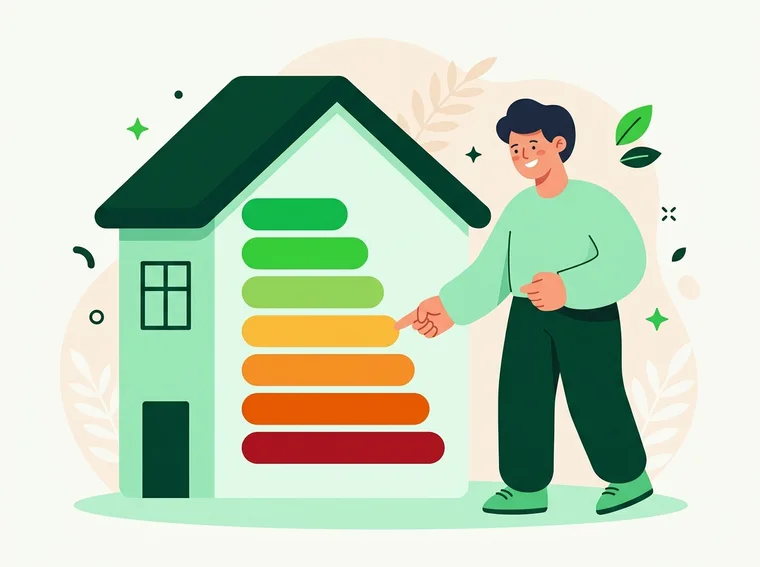
EPC Energy Rating D: Understanding It and How to Improve
Energy Performance Certificates (EPCs) are essential for anyone buying, selling, or renting a property in the UK. These certificates provide a clear view of a building’s energy efficiency, rated from A (most efficient) to G (least efficient). An EPC rating of D is the most common in the UK, especially for older homes, which were constructed without modern energy-saving measures.
A D rating indicates that there is substantial room for improvement in energy performance. But what exactly does this mean, and how can you take steps to boost your rating?
Understanding an EPC D Rating
An EPC rating of D suggests that your home’s energy efficiency is moderate, typically scoring between 55-68%. While a D rating is not the worst, it indicates there are several opportunities to reduce energy consumption, lower bills, and decrease your carbon footprint. For many, the goal is to improve to a C or even a B rating.
How to Improve Your EPC Rating from D to C
Improving from a D to a C rating involves addressing several key areas of your property. Here are some targeted upgrades:
- Increase Insulation: Proper insulation is crucial for maintaining a stable indoor temperature. Loft insulation, cavity wall insulation, and even underfloor insulation can prevent heat loss and improve your energy rating.
- Upgrade Your Heating System: An older, less efficient boiler can significantly drag down your EPC rating. Switching to a modern, energy-efficient boiler, like a condensing or combi boiler, can save energy and cut costs.
- Install Double or Triple Glazing: Replacing single-glazed windows with double or triple-glazed alternatives helps keep the heat in and reduces energy consumption, leading to a higher EPC rating.
- Install a Smart Meter or Thermostat: By closely monitoring and controlling your energy use, a smart thermostat can help optimise heating schedules, cutting down on wasted energy and helping you achieve a C rating.
Steps to Boost Your EPC Rating from D to B
Achieving a B rating from D requires a more comprehensive approach, often involving more substantial investments. Here are some steps to consider:
- Renewable Energy Sources: Consider installing solar panels or a heat pump. These renewable energy systems can dramatically reduce your dependency on fossil fuels and significantly improve your EPC rating.
- Enhanced Insulation and Draught-Proofing: Beyond basic insulation, ensure your property is fully draught-proofed, and consider adding thermal plasterboard to external walls. This will help retain heat more effectively.
- Energy-Efficient Appliances: Replacing old, energy-guzzling appliances with energy-efficient models can lower your overall energy consumption, which contributes positively to your EPC rating.
- Switch to Green Energy Suppliers: Using green energy from renewable sources can also impact your EPC positively. Some suppliers offer 100% renewable energy, which can help improve your rating.
- Comprehensive Home Overhaul: For a more significant impact, consider a whole-house retrofit, which may include a combination of renewable energy installations, insulation improvements, and new heating systems.
Why Improve Your EPC Rating?
Improving your EPC rating is not just about compliance or improving your home’s market value. It’s about reducing energy bills, enhancing comfort, and playing a role in environmental conservation. The UK government and local authorities are increasingly pushing for higher EPC ratings, especially for rental properties, and a better rating can lead to greater incentives and lower costs in the long run.
Taking the First Step
To begin, consult with an accredited EPC assessor to evaluate your property’s current standing and provide tailored advice on the most effective ways to achieve your desired EPC rating. Small changes can make a big difference, and with the right strategy, you can move from D to C, or even B, faster than you think.
It takes seconds to check an existing EPC and see when the certificate expires.
Need an EPC?
Find your local accredited assessor, see their price and contact them directly — no middlemen, no commission.
Find your local assessor