
What is an EPC rating B?
A B rating puts your home in the most efficient bracket of UK housing. Here’s what it takes to get there — and what it’s worth.
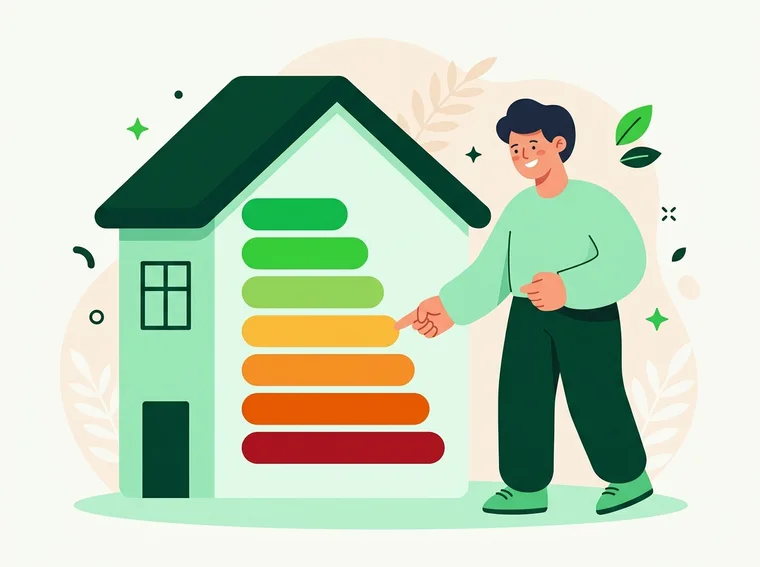
What is an EPC Rating B?
An EPC (Energy Performance Certificate) Rating B is a high rating on the scale used to assess the energy efficiency of a property. This rating indicates that the property is highly energy-efficient, with relatively low carbon emissions and reduced energy consumption. Properties with an EPC Rating B are more environmentally friendly and offer significant cost savings on energy bills.
What Does an EPC Rating B Mean?
An EPC Rating B is one of the top EPC scale ratings, ranging from A (the most efficient) to G (the least efficient). A property with an EPC Rating B meets stringent standards for insulation, heating systems, and energy use, ensuring minimal energy waste. Achieving this rating means the property uses energy efficiently, contributing to lower carbon footprints and reduced energy costs.
Benefits of an EPC Rating B
An EPC Rating B offers numerous advantages for homeowners, tenants, and property investors:
- Lower Energy Bills: Homes with an EPC Rating B are designed to use energy efficiently, resulting in significantly lower energy bills. With rising energy costs, this can mean substantial savings over time.
- Increased Property Value: Properties with a high EPC rating, such as B, are often more attractive to potential buyers or renters. An energy-efficient home is seen as a desirable asset, potentially increasing its market value.
- Reduced Environmental Impact: A higher EPC rating signifies a lower carbon footprint, making the property more environmentally friendly. This is increasingly important as more people look for ways to reduce their impact on the planet.
- Improved Comfort and Living Conditions: Homes with better energy efficiency tend to have more consistent indoor temperatures and fewer drafts, enhancing overall comfort and living quality.
- Easier Compliance with Future Regulations: As governments introduce stricter energy efficiency standards, having an EPC Rating B can help homeowners avoid costly upgrades to meet future regulations.
How to Achieve an EPC Rating B
Achieving an EPC Rating B requires a combination of improvements and upgrades focused on energy efficiency. Here are the key steps to consider:
- Enhance Insulation: Ensure your home is well-insulated, particularly in the loft, walls, and floors. Proper insulation prevents heat loss and improves energy efficiency.
- Install Energy-Efficient Windows and Doors: Double or triple-glazed windows and well-insulated doors help retain heat, reducing energy usage.
- Upgrade Heating Systems: Invest in an energy-efficient boiler or heating system, such as a condensing boiler or a heat pump. Regular maintenance of heating systems also ensures optimal performance.
- Use Energy-Efficient Appliances: Switch to energy-efficient appliances with high energy star ratings. These appliances consume less energy while providing the same level of performance.
- Utilise Renewable Energy Sources: Consider installing solar panels or other renewable energy systems. These not only help achieve a higher EPC rating but can also provide additional savings on energy bills.
- Implement Smart Home Technology: Smart thermostats and energy management systems can optimise energy use, ensuring that you are only using energy when needed.
- Seek Professional Energy Assessment: Hire a qualified energy assessor to evaluate your property and provide tailored recommendations for achieving an EPC Rating B.
How to Improve from EPC Rating C to B
If your property currently has an EPC Rating C, moving up to a B rating is achievable with targeted improvements:
- Upgrade Insulation: Even if your home has some insulation, upgrading to higher-quality materials or adding additional layers can make a significant difference.
- Install Advanced Heating Controls: Adding programmable thermostats, smart controls, or zoning systems can optimse heating and reduce energy waste.
- Switch to Low-Energy Lighting: Replacing traditional incandescent bulbs with LED or other low-energy lighting options can contribute to a higher EPC rating.
- Invest in Renewable Energy Solutions: Solar panels, wind turbines, or other renewable energy sources can significantly improve your EPC rating by reducing reliance on non-renewable energy.
- Seal Gaps and Improve Ventilation: Ensure that all gaps around windows, doors, and walls are properly sealed to prevent heat loss. At the same time, adequate ventilation must be ensured to maintain indoor air quality.
Costs Involved in Reaching EPC Rating B
The costs of improving your property to achieve an EPC Rating B will vary depending on the current state of your property and the upgrades required. Here’s a general breakdown:
- Insulation Improvements: Loft insulation can cost between £200-£500, while cavity wall insulation may range from £400-£1,500. Full external wall insulation could cost between £4,000-£14,000.
- Window and Door Upgrades: Replacing single-glazed windows with double or triple glazing can cost between £500-£3,000 per window, depending on the size and style.
- Heating System Upgrades: Installing a new energy-efficient boiler might cost between £2,000-£5,000, while heat pumps can range from £6,000-£18,000.
- Renewable Energy Installation: Solar panels typically cost between £5,000-£10,000, depending on the size and type of the system.
While these costs can seem high, they often lead to long-term savings on energy bills and can increase the property’s value, providing a good return on investment.
Common Misconceptions About EPC Rating B
There are a few common misconceptions surrounding EPC ratings, particularly EPC Rating B:
- “EPC Ratings Are Only Important for Selling Homes.”
While EPC ratings are crucial when selling a property, they also offer benefits for homeowners, such as reduced energy bills and improved living conditions. - “Achieving an EPC Rating B Is Expensive and Complicated.”
While some improvements may require investment, many are simple and cost-effective, such as switching to LED lighting or improving insulation. There are also government grants and incentives available to help cover some of the costs. - “EPC Ratings Don’t Affect Everyday Living.”
An EPC rating reflects a home’s energy efficiency, directly impacting comfort levels, indoor temperature stability, and the cost of heating or cooling the home.
Conclusion
Improving your property’s EPC rating to B offers substantial benefits, from lower energy costs to increased property value and a smaller carbon footprint. With a few strategic improvements, you can enhance your property’s energy efficiency, making it more comfortable and attractive to potential buyers or renters. To get started, consider contacting a certified energy assessor to evaluate your home and provide tailored recommendations for achieving an EPC Rating B.
It takes seconds to check your EPC rating and see when the certificate expires.
Need an EPC?
Find your local accredited assessor, see their price and contact them directly — no middlemen, no commission.
Find your local assessor