
Energy Performance Certificates (EPCs) are a vital component of the UK property market. Whether you’re a homeowner, landlord, buyer, or tenant, understanding EPC ratings can help you make smarter, more informed decisions.
This guide walks you through what EPC ratings mean, why they matter, and how to interpret the question: “what EPC rating is good?”
What Is an EPC Rating and What EPC Rating Is Good?
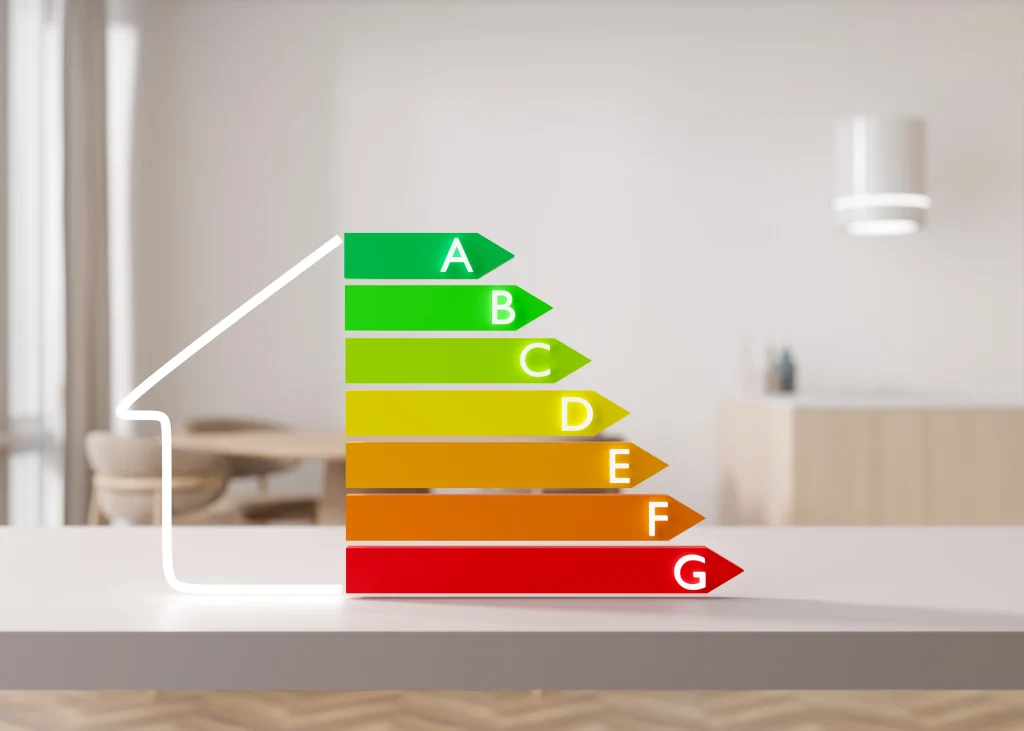
An Energy Performance Certificate (EPC) provides a snapshot of a property’s energy efficiency. It grades a home’s energy performance on a scale from A to G, where A is the most efficient and G is the least. These ratings are not just abstract letters but represent real differences in how much energy a home uses, how much it costs to run, and its environmental impact.
Understanding EPC Ratings in Detail
- EPC Rating A
The top of the scale, rating A corresponds to a SAP score between 92 and 100. These properties are highly energy-efficient, often newly built or recently upgraded to the latest standards. They use cutting-edge insulation, highly efficient heating systems, and often incorporate renewable energy technologies such as solar panels or heat pumps. Homes with an A rating typically have significantly lower utility bills and contribute less to carbon emissions. - EPC Rating B
Rating B covers SAP scores between 81 and 91. These homes are very efficient, usually well-maintained properties with modern insulation and efficient heating and lighting systems. While not quite at the ‘A’ level, they still offer substantial energy savings and lower environmental impact compared to the national average. - EPC Rating C
Rating C, with scores from 69 to 80, is generally considered average or above average in the current housing stock. Many homes built between the 1980s and early 2000s fall into this category. They offer reasonable energy efficiency and cost savings, but may benefit from targeted improvements to move into the B or A bands. - EPC Rating D
Properties with rating D (scores 55 to 68) have below-average energy efficiency. Many traditional homes fall into this range, often with older heating systems or limited insulation. While still better than the lower bands, there is room for improvement to reduce energy costs. - EPC Ratings E, F, and G
These bands reflect poor to very poor energy efficiency. Properties rated E or below are less energy efficient and often incur higher running costs. From April 2018, landlords cannot let properties with an EPC rating below E unless there is a valid exemption. Properties rated F and G, the lowest bands, often require significant upgrades to meet current minimum standards.
Why Is a Good EPC Rating Important?
Having a good EPC rating isn’t just about meeting legal requirements. It directly affects your day-to-day life and the long-term value of your property.
- Lower Utility Bills
Homes with high EPC ratings use less energy for heating, cooling, and lighting, which translates to lower bills. For example, upgrading from a D-rated property to a B-rated one can save hundreds of pounds annually. - Reduced Environmental Impact
Energy-efficient homes emit fewer greenhouse gases, helping the UK meet its carbon reduction targets. Choosing a property with a good EPC rating supports a more sustainable future. - Increased Property Value and Market Appeal
Buyers and renters increasingly prioritise energy efficiency. Properties with higher EPC ratings tend to sell faster and command higher prices or rents. - Legal Compliance for Landlords
Since 2018, landlords must ensure their rental properties have a minimum EPC rating of E, with further tightening expected under the UK government’s plans to improve housing stock energy efficiency.
The Average EPC Rating in the UK
According to recent data, the average EPC rating in the UK is around D, reflecting the mix of old and modern homes across the country. This means many properties could benefit from energy efficiency improvements.
How Are EPC Ratings Calculated?
An EPC rating is based on a Standard Assessment Procedure (SAP) calculation, which evaluates how energy efficient a building is based on its design and features.
Factors Included in EPC Assessments
- Building Fabric
The walls, roof, floors, windows, and doors influence heat retention. For instance, solid walls lose more heat than insulated cavity walls. - Heating System Efficiency
The type of heating, its efficiency, and how it’s controlled (e.g., thermostats, timers) make a big difference. - Hot Water System
Efficient boilers and insulated hot water cylinders reduce energy loss. - Lighting
Use of energy-efficient bulbs like LEDs is factored in. - Renewable Technologies
Installation of solar panels, heat pumps, or other renewables can significantly boost efficiency.
The assessor collects these details during a home visit and inputs them into SAP software to generate the EPC rating.
EPC Rating Bands Explained
| EPC Band | SAP Score Range | Description |
| A | 92–100 | Most energy efficient |
| B | 81–91 | Very good energy efficiency |
| C | 69–80 | Above average energy efficiency |
| D | 55–68 | Average or slightly below average |
| E | 39–54 | Below-average energy efficiency |
| F | 21–38 | Poor energy efficiency |
| G | 1–20 | Very poor energy efficiency |
EPC Requirements for Selling or Letting a Property
By law, when selling or letting a home, an EPC must be available to prospective buyers or tenants. The certificate lasts for 10 years unless the property undergoes significant renovations.
Minimum EPC Ratings for Rental Properties
- Rental properties must have a minimum EPC rating of E.
- Properties rated F or G cannot be legally let without an exemption.
- Exemptions are limited and must be documented.
How to Obtain an EPC
The process is straightforward:
- Find a qualified, accredited assessor registered with an approved scheme.
- The assessor visits your property, reviews the energy features, and collects data.
- Within days, you receive your EPC certificate outlining your rating and improvement recommendations.
Using services like EPC Near Me makes finding a local, qualified assessor easy and efficient.
How to Improve Your EPC Rating
Improving a home’s energy efficiency is often more affordable than expected and brings long-term benefits.
Common Improvements That Boost EPC Ratings
- Loft and cavity wall insulation: Often the most cost-effective way to reduce heat loss.
- Installing double or triple glazing: Improves window insulation.
- Upgrading heating systems: New condensing boilers or heat pumps are much more efficient.
- Adding draught proofing: Sealing gaps around doors and windows prevents heat escape.
- Switching to energy-efficient lighting: Replacing old bulbs with LEDs.
- Installing solar panels or other renewable energy technologies: Can offset electricity consumption.
Government Incentives and Grants
Several schemes help homeowners and landlords fund improvements, such as the Energy Company Obligation (ECO) scheme, which offers financial support for energy efficiency upgrades.
Why Should You Care About What EPC Rating Is Good?
Choosing a property with a good EPC rating benefits your wallet and the environment.
- Lower energy bills mean you save money every month.
- Higher EPC ratings indicate reduced carbon footprints, helping combat climate change.
- Properties with better EPC ratings tend to maintain or increase their value over time.
- For landlords, a good EPC rating attracts quality tenants and ensures compliance with regulations.
Conclusion
Understanding what EPC rating is good, helps you make informed property decisions, whether you’re buying, renting, or letting. Properties rated A or B offer excellent energy efficiency, leading to lower bills, reduced emissions, and greater comfort. If you’re ready to get an accurate EPC assessment or explore ways to improve your property’s energy rating, EPC Near Me provides quick access to certified local assessors. Taking action now not only aligns with current legal requirements but also prepares your property for a greener, more cost-effective future.
References:
https://www.gov.uk/find-energy-certificate
https://www.ons.gov.uk/peoplepopulationandcommunity/housing/articles/energyefficiencyofhousinginenglandandwales/2024
https://assets.publishing.service.gov.uk/media/5a748d20ed915d0e8bf19346/1790388.pdf