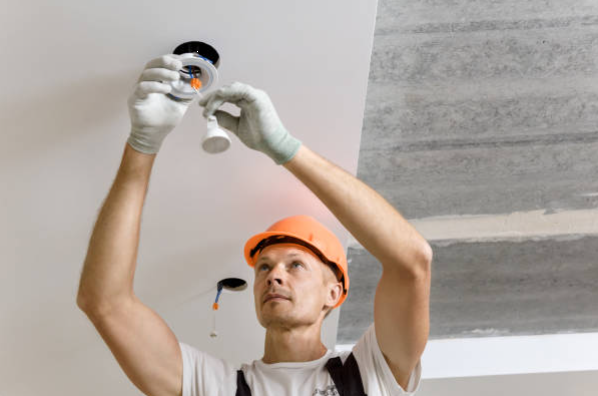

When putting a property on the market for sale or rent, obtaining an Energy Performance Certificate (EPC) is a legal obligation in the UK. Yet, many homeowners and tenants wonder, What does an EPC assessor do? The idea of someone inspecting your home might seem daunting or intrusive, but the process is straightforward, efficient, and designed to be minimally disruptive, especially if you’re well prepared.
Understanding exactly what the assessor looks for, how long the assessment takes, and what steps you can take to aid the process will help ensure your property’s energy rating accurately reflects its condition.
This guide offers a thorough walkthrough of the typical assessment procedure, preparing you for a smooth experience.
What Does an EPC Assessor Do During a Home Inspection?
An EPC assessor’s primary role is to evaluate your property’s energy efficiency through a visual inspection and the review of key documents. They employ a standardised system known as the Reduced Data Standard Assessment Procedure (RdSAP) to ensure consistency across all properties assessed in England, Wales, and Northern Ireland.
During the visit, the assessor examines specific elements of your home that influence energy consumption and heat retention. By gathering detailed information, they can calculate your property’s energy performance score and issue the corresponding certificate.
Areas Inspected During the Assessment
The following areas are carefully reviewed by the assessor:
- Building fabric: This includes the type of construction materials used for walls, floors, and roofs, which influence heat loss.
- Windows and doors: The assessor notes glazing types, draught-proofing measures, and frame materials to assess thermal efficiency.
- Loft space: Insulation thickness and quality are evaluated, as lofts are a major source of heat loss if poorly insulated.
- Heating systems: Boilers, radiators, thermostats, and control systems such as programmable timers are inspected.
- Water heating: The type of water heater, as well as insulation around hot water tanks or pipes, are assessed.
- Lighting: The number and type of fixed lighting fittings (e.g., LED, halogen) contribute to the overall efficiency rating.
- Renewable technologies: Features like solar panels, heat pumps, or wind turbines are recorded as they improve energy performance.
The assessor also takes measurements of each room and sketches a simple floor plan to calculate the total floor area—an important factor in the calculation.
It is important to note that the inspection is non-invasive. There will be no drilling or removal of floorboards. If certain features (like insulation) are not visible, the assessor will rely on documentation, such as installation certificates, invoices, or builder reports. This means that gathering relevant paperwork beforehand can help ensure a more accurate assessment.
How to Prepare Your Home for an EPC Assessment
Preparation is key to a smooth assessment and achieving an accurate rating. If the assessor cannot access key areas or lacks supporting documents, they must make conservative assumptions that could lower your rating.
Essential Preparation Steps
- Ensure full access to all rooms, including:
- Loft spaces or roof cavities
- Basement or cellar, if applicable
- All bedrooms, bathrooms, and living areas
- Heating cupboards, boiler rooms, or utility spaces
- Loft spaces or roof cavities
- Gather and have ready any relevant documents, such as:
- Loft insulation certificates or receipts
- Cavity wall insulation evidence
- Boiler installation or service records
- Solar panel specification sheets or installation details
- Loft insulation certificates or receipts
- Clear clutter around access points, particularly:
- Loft hatches and stairways
- Hot water tanks and boilers
- Thermostats and radiator valves
- Loft hatches and stairways
Tenants should liaise with landlords to ensure these preparations are made. The assessor will not move furniture or open sealed areas, so accessible documentation and clear spaces are crucial.
What Does an EPC Assessor Do on the Day of the Visit?
The assessment typically takes between 30 and 60 minutes, depending on the property’s size and complexity. Smaller flats will be quicker; large detached homes may take longer.
On the Day
- The assessor will arrive punctually, identify themselves, and briefly explain the process.
- They will conduct a walk-through, visually inspecting all accessible areas.
- Notes and photographs will be taken for internal reference only.
- You may be asked questions regarding any renovations, insulation upgrades, or heating system changes.
There is no requirement for you to stay in the same room or accompany the assessor, although being nearby is helpful in case they have questions.
What Happens After the EPC Assessment?
After the visit, the assessor inputs the gathered data into the RdSAP software. This produces an energy efficiency score expressed as a rating from A (most efficient) to G (least efficient), along with an environmental impact rating.
Contents of the Final Certificate
- Current and potential energy efficiency ratings
- Estimated energy consumption and typical annual energy costs
- Recommendations for cost-effective improvements to increase efficiency
- Environmental impact rating, indicating the carbon footprint of the property
The certificate is generally issued within 24 hours and registered on the national EPC Register, allowing homeowners, buyers, or agents to access it using the property address.
What EPC Assessors Are Looking for in Terms of Heating and Insulation
Two critical components that strongly influence your EPC rating are how well your home retains heat and the efficiency of its heating system.
Heating System Considerations
- Boiler type and age, including whether it’s a condensing boiler (more efficient)
- Presence of thermostats, zoned heating, or programmable controls
- Whether the system is a combi boiler or includes a hot water cylinder
- Use of thermostatic radiator valves (TRVs) for better temperature control
Insulation and Draught Proofing
- Loft insulation should ideally be at least 270mm thick for a good rating.
- Wall insulation, whether cavity or solid wall, should be documented.
- Floor insulation where applicable.
- Draught-proofing on windows, doors, and other gaps that may cause heat loss.
Failing to provide evidence or access for these features results in lower assumed efficiency.
What You Can Do After Receiving Your EPC
Once you have your EPC, it’s important to understand the recommended improvements. These are ranked by cost-effectiveness and energy savings potential.
Typical Recommendations May Include
- Installing a condensing boiler or upgrading an existing one
- Increasing loft insulation thickness
- Switching to LED or energy-saving lighting
- Adding cavity wall insulation where absent
- Installing smart heating controls or thermostats
While none of these are mandatory, acting on them can reduce energy bills, increase property value, and improve comfort.
Myths and Misconceptions About What EPC Assessors Do
Misunderstandings about the process can cause unnecessary anxiety.
Common Misconceptions
- “I must hide my old appliances.” False — portable or plug-in appliances are not assessed.
- “The assessor judges cleanliness or lifestyle.” False — only fixed building features are considered.
- “If my loft is hard to reach, I will fail.” Not true — you won’t fail, but if insulation can’t be confirmed, it’s assumed absent.
The EPC provides an objective energy assessment based on observable data and standardised assumptions.
Suggested Improvements Not Always Covered by EPC Assessors
Assessors provide a set list of improvements based on data collected, but some practical enhancements may not feature explicitly on the EPC.
Additional Improvements to Consider
- Floor insulation, especially on suspended timber floors
- Pipe lagging on hot water pipes
- Sealing drafts around skirting boards and floorboards
- Upgrading to double or triple glazing
- Using advanced smart heating controls for zoned room management
These can enhance energy efficiency beyond what the EPC scores reflect.
What EPC Assessors Do Not Assess: Privacy and Personal Belongings
The assessment respects your privacy and focuses solely on fixed, structural elements.
Addressing Common Concerns
- Personal appliances such as fridges or heaters are not included.
- The assessor will not open drawers, wardrobes, or cupboards.
- Blocked access areas are marked as uninsulated or absent, which may lower the rating, but this is a default assumption, not a penalty.
- Homeowners can remain present but do not need to accompany the assessor.
Why Your EPC Rating Matters Beyond Compliance
While required by law, EPCs influence much more than legal standing.
Benefits of a Higher EPC Rating
- Lower energy bills through improved efficiency
- Greater appeal to prospective buyers and tenants
- Eligibility for grants or financial assistance for upgrades
- Positive environmental impact by reducing carbon emissions
Landlords must ensure rental properties meet minimum EPC standards (generally rating E or above) or face financial penalties.
How Often Should You Renew Your EPC?
An EPC is valid for 10 years. However, if you undertake major upgrades like installing a new boiler or insulation, it’s wise to obtain a new assessment to reflect these improvements, potentially raising your rating and market appeal.
Common Challenges During an EPC Assessment and How to Avoid Them
Challenges such as inaccessible areas, missing documentation, or blocked heating controls can complicate assessments.
- Ensure loft hatches and roof spaces are accessible.
- Collect and present insulation and boiler documentation.
- Make sure heating controls and boilers are unobstructed and operational.
Proper preparation will avoid assumptions that might otherwise reduce your rating.
Who Can Carry Out an EPC Assessment?
Only accredited Domestic Energy Assessors (DEAs) are authorised to perform EPC inspections. These professionals undergo rigorous training and certification to provide consistent and valid certificates recognised nationwide.
Conclusion
Knowing what an EPC assessor does enables you to prepare effectively, ensuring the process is smooth and your energy rating is accurate. A well-prepared property will benefit from a fair assessment, potentially uncovering straightforward ways to improve energy efficiency and reduce costs.
For those ready to secure a professional, reliable assessment, EPC Near Me provides expert EPC services carried out by accredited assessors familiar with your local area. Booking an assessment with EPC Near Me is straightforward, helping you comply with regulations while gaining valuable insights into your home’s energy performance.
Take the step today—schedule your EPC assessment and start on the path to a warmer, more efficient home.
References:
https://www.gov.uk/selling-a-home/energy-performance-certificates
https://nationalcareers.service.gov.uk/job-profiles/domestic-energy-assessor
To see what is already on record for a property, check the EPC Register using its postcode.