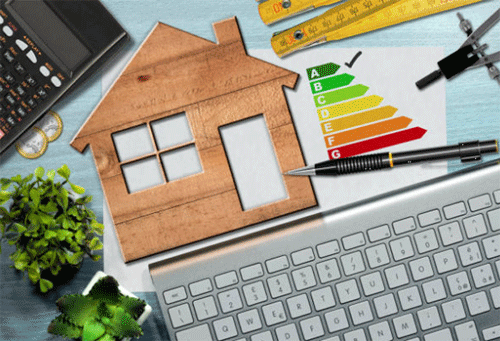
The push towards sustainability has led to an increased focus on renewable energy technologies. These innovative solutions are not only vital for the environment but also beneficial for homeowners looking to reduce their energy bills and increase their property’s value. In this blog, we will explore some of the cutting-edge renewable technologies that can be incorporated into homes, primarily focusing on solar energy systems and their integration into the RdSAP software used for energy assessments.
Solar Thermal Systems
Solar thermal technology is a remarkable method for heating water in residential settings. It utilises solar panels, typically mounted on roofs, to collect and convert sunlight into heat. This heat is then transferred to water in storage tanks, making it an efficient way to provide hot water for household use.
Types of Solar Thermal Panels:
- Flat Plate Collectors: These are characterised by their flat, smooth appearance and are similar to photovoltaic (PV) panels. They consist of a dark flat-plate absorber, a transparent cover that minimises heat loss, and insulation to preserve heat. Fluid within the panels absorbs the heat, which is then transferred to the water in a storage cylinder.
- Evacuated Tube Collectors: More efficient than flat plate collectors, these feature clear glass tubes containing another tube inside. The design uses a vacuum as an insulator to keep the heat trapped between the inner and outer tubes, enhancing the system’s efficiency.
When recording solar thermal systems in RdSAP, it’s essential to note the presence of such panels, as the software will automatically calculate the contribution of these panels to the property’s hot water needs.
Photovoltaic (PV) Systems
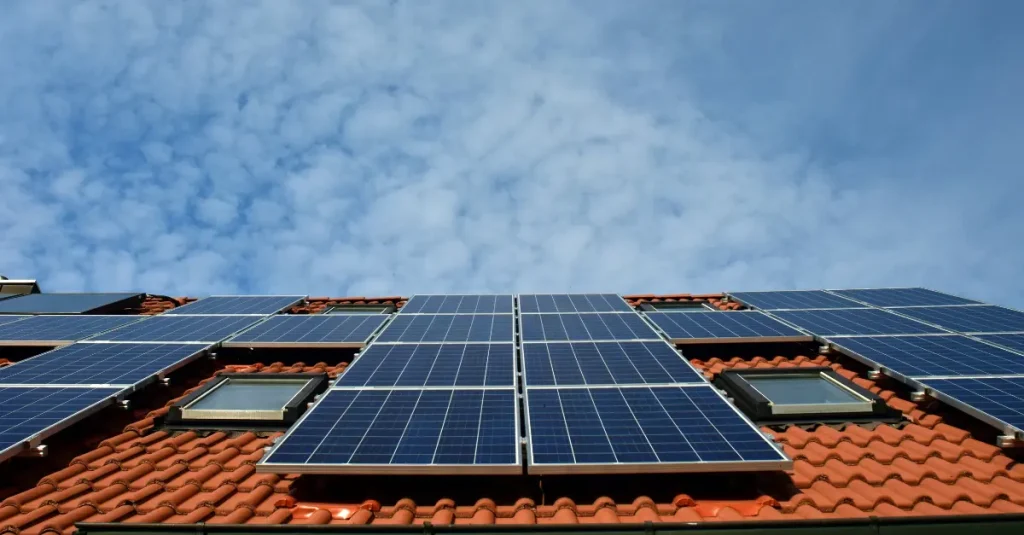
PV panels, known for converting sunlight directly into electricity, are another excellent renewable option. These panels are especially common and can be installed on roofs or grounds. They are essential for reducing electricity bills and can significantly contribute to a home’s energy independence.
Characteristics of PV Systems:
- Typically consists of 12 to 16 panels.
- Can be roof-mounted, ground-mounted, or installed on buildings like garages.
- New installations may include PV tiles that integrate into the roof, replacing conventional tiles.
In RdSAP, entering the details of PV systems requires information about the panels’ kilowatt peak (kWP), orientation, and shading. This data helps accurately assess the energy production capacity of the installed system.
Hybrid PV/T Systems
A fascinating advancement in solar technology is the Photovoltaic & Solar Thermal Combined (PVT) system. These hybrid systems harness solar energy for both electricity and heat, making them more efficient than separate PV or solar thermal systems. They incorporate features of both systems, requiring connections for both plumbing and electrical systems.
Incorporating PVT systems into RdSAP involves addressing both the New Technologies and Water Heating sections to reflect the dual functionality of these systems.
Additional Renewable Technologies
- PV Diverters and Battery Storage: PV diverters redirect excess electricity from PV panels to heat water, enhancing the system’s utility. Battery storage systems store surplus electricity, providing power during peak times or when sunlight is not available.
- Small-Scale Hydro Systems: These are ideal for properties with access to flowing water. They convert the kinetic energy of water into electricity, capable of powering large homes or small community setups.
Software Integration and Assessment
When assessing a property’s renewable technology installations using RdSAP, it’s vital to collect detailed information about each system. This includes the type of technology, installation details, and expected energy output. For PV systems, information such as the number of panels, their orientation, and the percentage of the roof covered must be accurately entered into the software. In cases where specific details are not available, a general assessment is made based on standard assumptions.
Final Thoughts
Adopting these new technologies not only supports the global shift towards renewable energy but also offers substantial benefits for homeowners. By integrating such systems and accurately assessing their contributions through tools like RdSAP, we can better understand and enhance the energy efficiency of residential properties.
It takes seconds to check your EPC rating and see when the certificate expires.