In an era where energy efficiency is not just valued but mandated, understanding the intricacies of a property’s Energy Performance Certificate (EPC) is crucial. Whether you are a homeowner, prospective buyer, or tenant, an EPC provides essential insights into the property’s energy efficiency and the costs associated with its operation. This certificate, required by law whenever a property is built, sold, or rented in the UK, grades from A, indicating high efficiency, to G, which denotes poor performance. Here, we unravel how an EPC is calculated, what factors are considered, and how you can enhance your property’s rating for better energy conservation and reduced environmental impact.
Overview of EPC Ratings
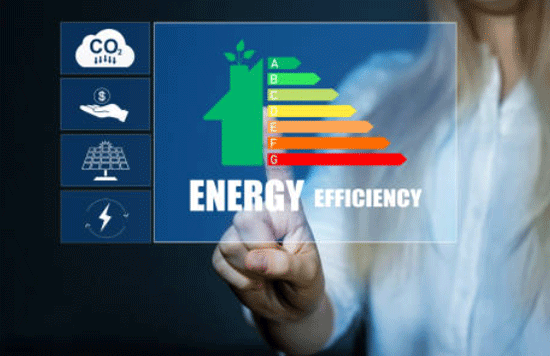
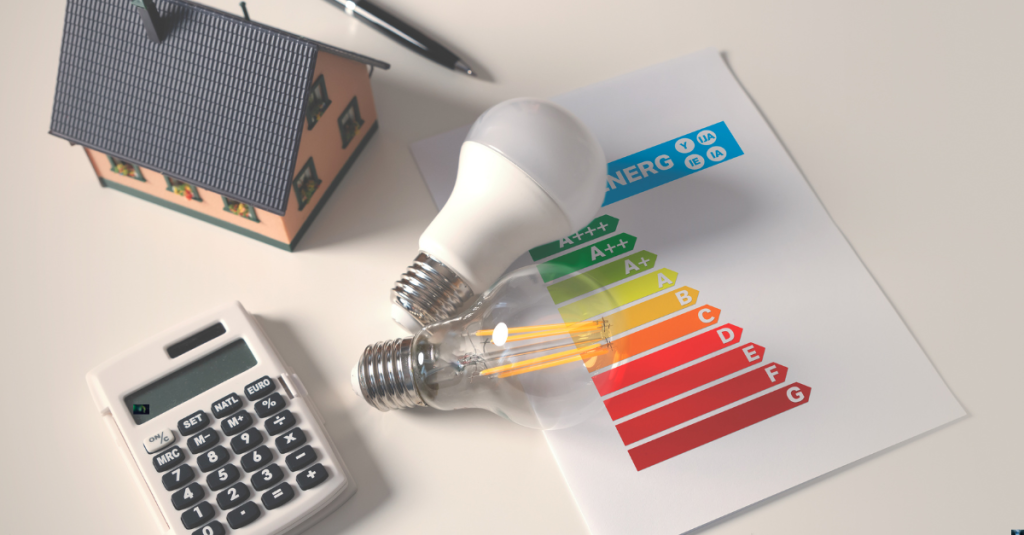
The EPC ranks properties on a scale from A to G, with A being the most energy-efficient and G the least. This rating influences several key aspects: it impacts property value, affects energy bills, and plays a significant role in environmental sustainability. Properties with high ratings not only cost less to heat and power but also have lower carbon emissions, which is increasingly becoming a deciding factor in real estate decisions.
The Assessment Process
The assessment required to produce an EPC must be conducted by an accredited assessor. These professionals use a Standard Assessment Procedure (SAP) to examine various characteristics of the property, including its structure, age, location, and existing energy-saving features. This evaluation is detailed, requiring assessors to collect data on the property’s construction, the insulation types used, the efficiency of the installed heating systems, and any renewable energy technologies in place.
Factors Influencing EPC Ratings
- Building Characteristics: The physical attributes of the building, such as age, layout, and construction materials, significantly influence its thermal efficiency. For instance, older properties might have structural features that are less efficient at retaining heat compared to newer buildings unless they have been subject to energy retrofitting.
- Heating and Cooling Systems: These systems are crucial in determining a property’s energy efficiency. The type of boiler, the presence of programmable thermostats, and the efficiency of the radiators or HVAC systems are all evaluated. Well-maintained and efficient operating systems contribute positively to the EPC rating.
- Insulation and Ventilation: Effective insulation in the roof, walls, and floors minimises heat loss, which is a key factor in energy conservation. Proper ventilation systems are also crucial as they help maintain air quality and temperature regulation without excessive energy use.
- Lighting and Appliances: The assessment includes a review of the lighting solutions used within the property. Energy-efficient LED lighting and appliances with high energy ratings can significantly lower the property’s overall energy consumption, thereby improving the EPC rating.
Calculating the Rating
The assessor inputs the collected data into a specialised software program that calculates the EPC based on the SAP. This includes detailed consideration of the property’s fabric energy efficiency—how well its construction materials and design retain heat and manage airflow. The internal environment assessment includes air tightness, the efficiency of lighting, and the impact of renewable technologies like solar panels or biomass heating systems. The software also considers national climatic data to adjust the expected energy usage according to regional variations in weather patterns.
Common Misconceptions
There are several misconceptions about what affects an EPC rating. For example, many believe that installing double-glazing is a surefire way to improve their rating. However, while beneficial, such upgrades often have less impact than enhancing the heating system or improving the insulation. It’s essential to focus on comprehensive improvements that address multiple aspects of energy efficiency rather than isolated upgrades.
The Impact of EPC on Property Decisions
An effective EPC rating can significantly enhance a property’s appeal in the market. For sellers, it can increase the property’s value and attract buyers looking for energy-efficient homes. Buyers benefit from lower operational costs and potential savings in energy bills. Tenants also gain from living in more sustainable environments with reduced energy expenses. Moreover, as legislation increasingly favours energy-efficient housing, properties with better EPC ratings will likely enjoy greater marketability and regulatory compliance.
Conclusion
Understanding how an EPC is calculated can help property owners make informed decisions about necessary improvements and enhancements. An EPC not only reflects a property’s current energy performance but also pinpoints areas for enhancement. For comprehensive guidance on obtaining an EPC and improving your property’s energy efficiency, consider consulting a professional energy assessor. Contact EPC Near Me to learn more about the EPC register and to schedule an assessment with a qualified local expert.
Additional Resources
- Official EPC Information: Visit the Official EPC Register for detailed insights.
- Improving Home Energy Efficiency: Check out GOV.UK’s energy-saving advice service for practical energy-saving tips.
- Understanding Energy Ratings: Explore UK Government Energy Grants for potential funding options to improve your property’s energy efficiency.
By proactively enhancing your property’s EPC rating, you contribute not just to its market value and operational efficiency but also to broader environmental goals, creating a win-win scenario for all involved.